
Introduction
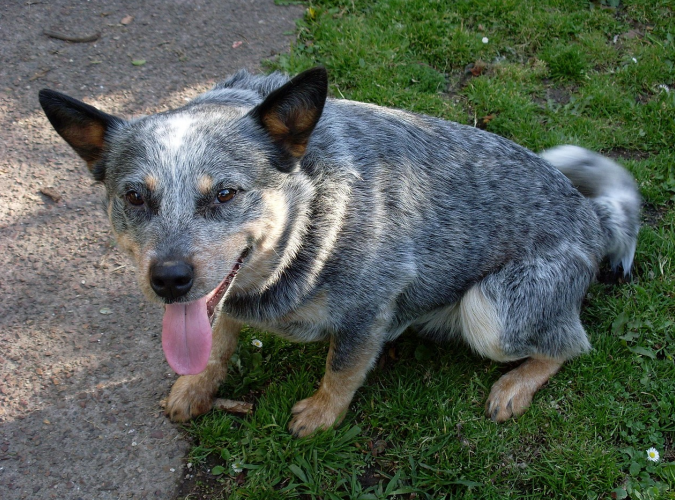
The Australian Cattle Dog (or Blue Heeler) is a tough, hard-working dog with a purpose that involves herding livestock across the Outback. Known for their distinctive speckled blue coat and hardworking demeanor, this dog breed is notable for its intelligence, loyalty, and guardian mentality.
The Blue Heeler started in Australia during the 19th century by mixing native Dingoes with Collies and other herders. This created the perfect cattle dog — strong, fast, and with a high, intense working drive. The breed was then refined on an Australian ranch by Thomas Hall, resulting in the early "Hall's Heelers."
The Blue Heeler has not lost popularity over the years, as the breed can still be found moving hard-to-shift cattle over long distances. However, this bold breed can also make you a loyal company right at home.
What else do would-be owners need to know about the Blue Heeler's temperament, exercise needs, and whether they are suited to their lifestyle beyond their pedigree as a cattle station dog? Keep reading to read everything there is to know about this striking dog.
Origins and History of the Blue Heeler
With roots deeply planted into the rugged cattle ranching culture that characterized Australia in the 1800s, the Blue Heeler is a no-nonsense blend of strong-willed dogs. In a land where vast tracts of grazing land required the services of dogs to drive herds, often over hundreds of miles, men had to contend with the extremes of the Australian weather and landscape.
Ranchers needed a durable working dog that could think for itself but still obey commands.
With a nod to history, early ranchers crossed the Dingo, native to Australia, with Collies and other British herding breeds. The aim was to produce a dog with the fortitude of the Dingo combined with the stock-herding abilities of a Collie.
This cross-breeding produced an agile dog with permanent upright ears, loyalty, and trainability, and over generations led to the Australian Cattle Dog we know today.
One of the most important people in the history of the breed was a New South Wales beef producer, Thomas Hall. In the late 1840s, Hall modified the breeding process to develop docile yet aggressive animals to help control ornery cattle.
The first Blue Heelers were known as Hall's Heelers because they would nip at heels to urge cattle along. This combination of dogs became the foundation for the contemporary Australian Cattle Dog breed.
Physical Characteristics and Appearance
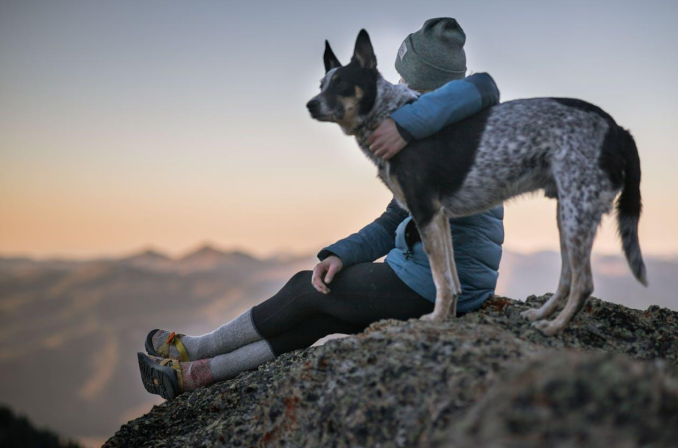
The Blue Heeler is built strong with a muscular frame to give them agility and endurance. Their height is 17–20 inches at the shoulder, adult weight ranges from 35-50 lbs and the overall profile shows athleticism.
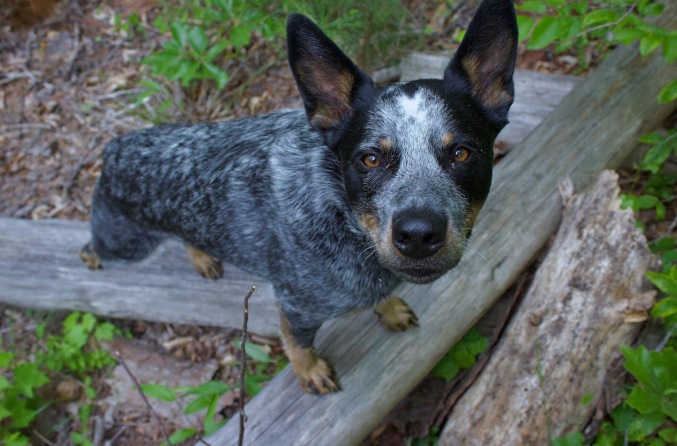
The blue patches or speckles against a background of lighter fur on the thick double coat are the most characteristic. Its coat is built of a weather-resistant outer layer and soft undercoat. The texture aids in preventing burrs and dirt when you are working outdoors.
The head has wide-set erect, pointed ears and a long blunt nose. The eyes are full of ness, sharp, and wise. The tail is long and held level with the back instead of curved over. In short, the Blue Heeler shows a ruggedly handsome mix of capability and intellect.
Temperament and Personality Traits
Familial loyalty and protective instincts in the Blue Heeler are legendary. The devotion, in turn, coupled with high intelligence makes them fast learners, and therefore they are intelligent when they have a job to do. Their high-energy personality makes them perfect for busy households or farms, where they have enough room to gallop freely.
These dogs develop an incredibly close bond with their owners and will often herd children or strangers by nipping at them. Familiarity with strangers from a young age will help keep the wariness to a minimum. The Blue Heelers are devoted guards, and with the right training, their protective drive makes them sound like watchdogs for anything that seems out of the ordinary.
Constant activity and interaction are a must for the Blue Heeler to keep him from getting bored. They need more exercise or mental stimulation to keep from being bored and chewing destructively or barking for hours. Having high-energy temperaments, interactive play, obedience training, or a job to complete will bring forth everything they have to offer.
Exercise and Training Requirements
Born from its cattle herding heritage, the Blue Heeler needs a good deal of exercise. As an active breed, these dogs require at least 60-90 minutes of vigorous exercise per day.
Blue Heelers are excited to chase miles when their owners are hiking, horseback riding, or completing farm chores in rural environments. For city dwellers: engage in spirited games of fetch, agility training, or existential flirt pole pursuit. Mental stimulation through interactive toys or puzzle feeders can also add to their physical activity.
Early puppy obedience is essential for the strong-willed Heeler. They will respect you for reward-based training that creates leadership and validates commands. Agility and flyball are a few examples of canine sports that can provide an outlet for their energy and their herding drive.
Many WOpet pet parents find that combining physical activity with daily structure helps reduce common behavior challenges in working breeds like the Australian Cattle Dog.
Grooming and Health Care
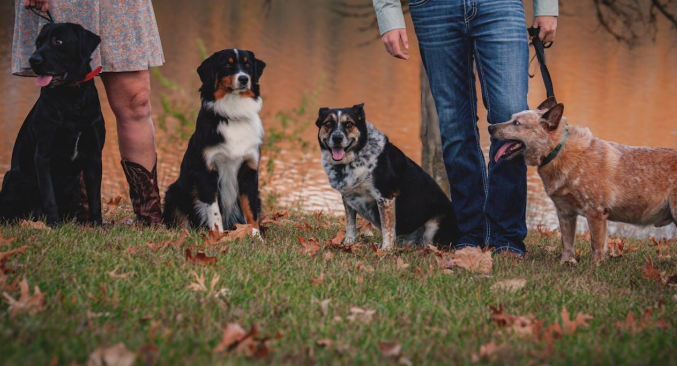
While they do shed, the news for Blue Heeler owners is that at least this breed has a fairly low grooming upkeep. Grooming their short double coat is easy as it needs to be brushed weekly to remove dead hairs. During seasonal shedding periods, you may need to brush more frequently.
They tend to stay clean by themselves so an occasional bath with a gentle dog shampoo is all that is needed. Do not bathe excessively, it can remove the protective coat oil from their fur and skin. Nails will require frequent clipping; every 1-2 months, depending on how active the dog is. They need their teeth brushed two to three times a week, too.
Though the Australian Cattle Dog is a hardy sort, a few health problems can occur. Breeders who are breeding for good characters will test their breeding dogs' hips and elbows for dysplasia. Puppies should also have eye exams updated for progressive retinal atrophy. Meanwhile, dogs with a lot of white markings end up deaf.
Given diligent preventive healthcare, regular supervision, and a proper diet, the median life span is 12-14 years. Older dogs will require more frequent visits to the vet, medication adjustments, and diet changes. And like any older dog, keeping their brains active with play and clever training helps geriatric Blue Heelers too.
Diet and Nutrition Needs
Under Blue Heeler’s high-energy lifestyle, they require a little more than average in their diet to support all that exercise. As a breed originally used for herding, they require more calories than more sedentary breeds.
When you break down the food into two smaller meals, it becomes easy for the body to digest and gives long-lasting energy. And to avoid getting bored in the long run, sometimes flash up some flavor with delicious meats, veggies, or fruit.
Depending on their diet, the Blue Heeler can be fed dry kibble, canned food, or even a raw food diet. The protein and fat content are based on the dog’s age and health status, and owners should check with his or her veterinarian for the best combination.
With WOpet’s Heritage View Pet Feeder, you can maintain consistent feeding times and portions—even when you're not home—giving your Blue Heeler the dependable care they thrive on.

Living with a Blue Heeler: What to Expect
The Blue Heeler demands an active lifestyle but makes an affectionate companion for those willing to meet their needs. Their herding background means they excel at canine roles requiring focus and responsibility. Owners should be aware of their sensitivity to separation along with their tendency to be vocal.
Blue Heelers can adapt to apartment living provided their exercise needs are met through walks, playtime, and training. But they truly thrive in a home with a securely fenced large yard where they can expend energy. Being able to go on long hikes or going running or biking with owners are also good options.
Blue Heelers can be somewhat aloof with strangers, while bonded to the family as an extremely loyal and loving companion. They will give them to know unfamiliar people so as not to be distrustful of them if they have plenty of socialization when young. And be careful with them around other house pets because they need to be accepted as one of the “herd”.
Due to their strong ties, most Blue Heelers should not be left alone for extended periods. These dogs tend to get separation anxiety which might cause them to bark in a nuisance way or destroy things in the house.
Pros and Cons of Owning a Blue Heeler
Pros
● Extremely loyal and bonds deeply with family
● Energetic and always eager to play or work
● Highly intelligent, obedient, and trainability
● Alert watchdog and protective of owners
● Minimal grooming requirements
Cons
● Demanding exercise needs, not suited to sedentary homes
● Prone to nuisance barking and destructive chewing if bored
● Strong herding instincts may result in nipping at heels
● Wariness and difficulty socializing with strangers
● Separation anxiety is likely if left alone for long periods
Conclusion
The Blue Heeler is courageous with tireless dedication which made this breed a symbol of the Australian Outback. Aside from herding work, they can be great guardians of home and family and enliven any home with their hilarity.
Probably one of the most unique, characterful, and heart-possessed breeds out there but cannot be left out to pasture. Future owners need to invest heavily in activity, training, socialization, and quality time together.
Thinking of welcoming a Blue Heeler into your life? Make sure you're ready to meet their energy and devotion with the right tools, structure, and love. At WOpet, we're here to help you build that lifelong bond—one smart wag at a time.
Resource: Blue Heeler