
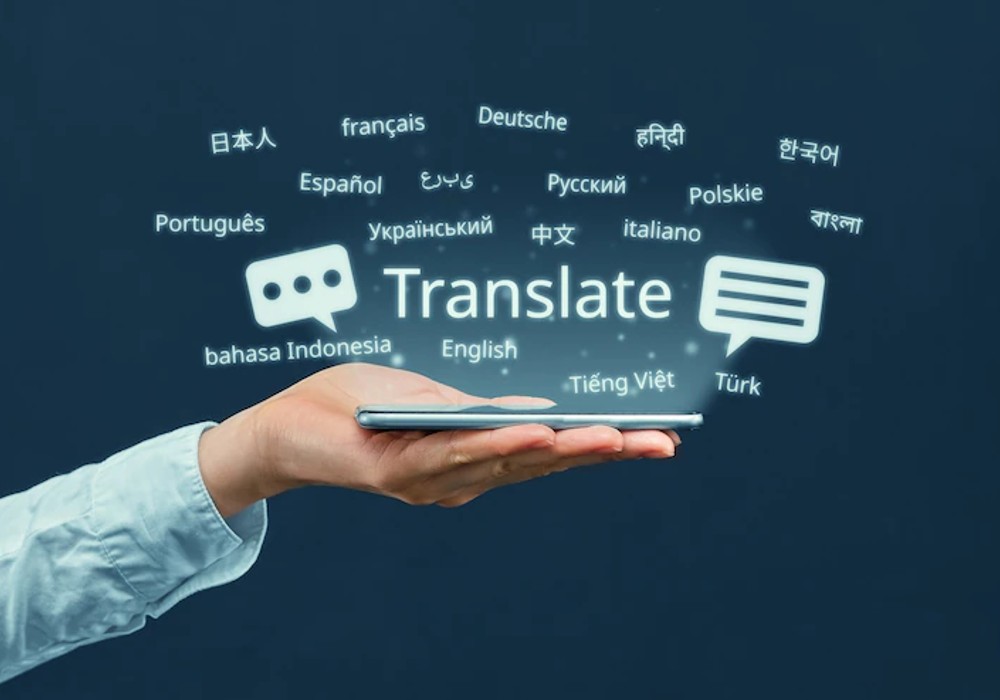
Translation services are requisite for bridging language barriers, sanctioning between people from different science backgrounds. Professional transformation agencies are the backbone of the international language manufacture, offer solutions for individuals and businesses to pass in effect across borders. Understanding the workflow of a professional transformation delegacy can provide sixth sense into how these agencies high-quality translations systematically. This article outlines the key stages involved in the transformation work on and how agencies ascertain truth, , and timeliness.
1. Client Engagement and Project Initiation
The transformation work begins with the node reaching out to the representation with a transformation request. This may call for translating documents, websites, merchandising materials, or valid texts. The agency first gathers all the relevant information about the figure, including the germ terminology, target nomenclature(s), submit weigh, word reckon, and any specific formatting or title preferences.
A imag manager is typically appointed to manage the imag from take up to fetch up. They play a key role in assessing the project’s telescope and resources needful, such as specialized translators or subject-matter experts. During this stage, the agency also sets expectations around timelines and , often providing an first quote based on the intensity and complexity of the work.
2. Pre-Translation Preparation
Once the see details are finalized, the representation prepares the materials for translation. This involves reviewing the germ documents for potentiality challenges such as nomenclature, appreciation references, or technical vernacula. If necessary, the delegacy may request clarifications from the node, such as preferable nomenclature or specific tone guidelines.
In some cases, translation agencies also use tools like Computer-Assisted Translation(CAT) package, which helps produce a glossary of price specific to the client or industry. This ensures across the transformation. CAT tools also help pass over premature translations for large projects, sanctionative the agency to exert uniformness in terminology and style across septuple documents.
3. Translation Process
At the spirit of a transformation agency’s work is the https://www.abckentucky.com/the-growing-importance-of-translation-services-in-a-globalized-world/ itself. A professional translating program, who is often a indigen talker of the aim language, is assigned to work on the imag. They start translating the content while paid attention not only to the literal error substance but also to the context, perceptiveness nuances, and tone.
For technical content, such as effectual or checkup texts, translators with expertise in the applicable area are chosen to control the translation is precise and uses appropriate manufacture-specific terminology. Additionally, professional translators often work with cite materials, including dictionaries, industry glossaries, and style guides, to enhance their translations.
4. Quality Assurance and Editing
After the transformation is complete, it undergoes a thorough tone assurance work on. This is a indispensable step in ensuring that the transformation is right, error-free, and coherent. The agency may utilise a separate editor or reader to reexamine the transformation, checking for grammar mistakes, syntax issues, and in terminology.
Some agencies also use a second linguist to control the translated against the seed stuff, ensuring that no meaning has been lost or distorted in the work on. This multi-layered timbre verify work on is necessary for maintaining the high standards of professional person translation.
5. Final Review and Client Approval
Once the transformation has passed through the tone assurance process, the fancy managing director conducts a final exam review to control that all aspects of the project meet the client’s expectations. This includes corroboratory the formatting, qualification any last-minute adjustments, and ensuring that the transformation adheres to the client’s requirements. If the guest has requested particular format, such as translated documents in a particular layout or plan, the agency ensures that these requests are fulfilled.
Finally, the completed translation is submitted to the client for approval. If the node has any feedback or revisions, the representation makes the necessary adjustments. This collaborative feedback loop ensures the final exam product is sophisticated and meets the client’s needs.
6. Delivery and Post-Project Support
After the node approves the transformation, the representation delivers the final product in the in agreement initialize, whether it’s a document, a web site, or any other media. Some agencies also volunteer post-project services, such as localization of function for different markets or current transformation support for big projects.
In ending, the workflow of a professional person transformation representation involves careful coordination, specialised expertness, and attention to detail. From the first reference to the final examination deliverance, every step in the process is studied to ascertain the highest quality translations, coming together the unusual needs of the guest while overcoming nomenclature barriers in effect.