
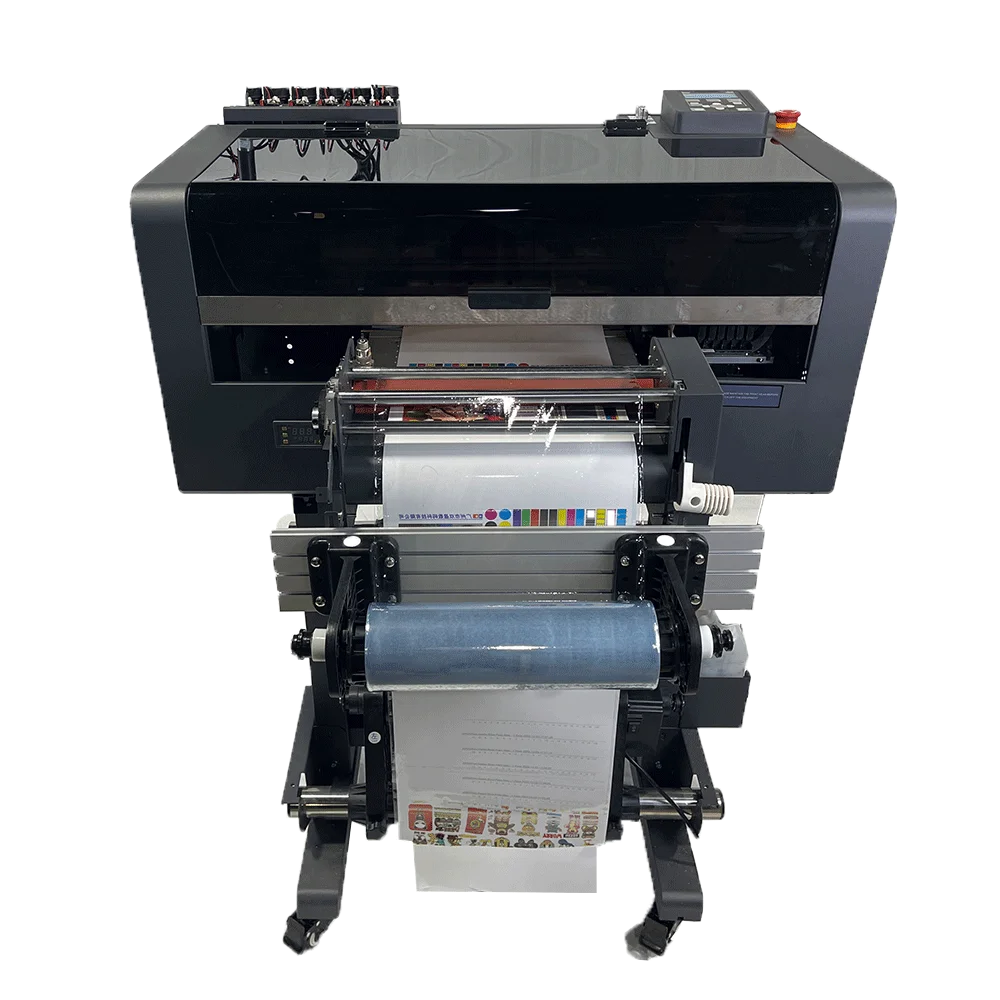
Screen printing is one of the most nonclassical and various methods of printing designs onto various surfaces, such as t-shirts, posters, and even metallic element or glass. Whether you re start your own usage apparel stage business or simply looking to explore a new productive hobby, understanding the requisite materials required for screen printing is the first step. In this guide, we ll walk you through the key materials you ll need to get started, from screens to inks, and provide helpful tips to assure your printing work on runs smoothly.
1. Screen Printing Frame and Mesh
The test is the spine of screen printing process. This is where the plan will be transferred onto the material you’re printing process on. The test itself is a rectangular or square up couc made of wood or aluminium, with a fine mesh flexile tightly across it. The mesh is typically made of polyester fabric or nylon.
-
Frames: Choose frames made from long-wearing materials like aluminum or uncompromising wood. Aluminum frames tend to last yearner and are easier to strip.
-
Mesh Count: The mesh count refers to how many duds of mesh are woven per inch. The higher the mesh count, the finer the you can accomplish with your plan. For t-shirts, a mesh count of around 110-160 is apotheosis, while better details may want a high mesh count, such as 200-230.
Tip: When starting out, it s advisable to have a few different mesh counts on hand to give yourself tractability when printing process different types of designs.
2. Emulsion and Emulsion Remover
Emulsion is a get off-sensitive finish that you apply to your test before exposing it to get down. It s requirement for creating the stencil of your design on the test. When dismount is exposed to the photographic emulsion, it hardens in the areas where the dismount hits, departure the areas that were plugged by your plan to continue soft and wash away, creating your test publish.
-
Emulsion: There are various types of photographic emulsion, such as diazo and photopolymer emulsions. Photopolymer emulsions are faster and easier to work with, qualification them a good option for beginners.
-
Emulsion Remover: When you’re set to strip your screens after printing, emulsion remover is a necessary tool to undress the photographic emulsion from the test. This ensures your screens are fix for the next print run.
Tip: Always apply emulsion to the screen to keep off uneven and prints. Ensure you have a dark quad to apply emulsion and allow it to dry.
3. Squeegee
The squeegee is a crucial tool for test printing process. It s used to push the ink through the test and onto your printing surface. A squeegee typically consists of a handle and a rubberise vane.
-
Blade Material: Squeegee blades can be made of rubberise, urethane, or silicone. Rubber is the most green and cost-effective selection for beginners.
-
Blade Durometer: The callosity of the squeegee vane is measured in durometers. Softer blades(lower durometer) are better for thinner inks, while harder blades(higher durometer) work well with thicker inks.
Tip: For beginners, a squeegee with a sensitive durometer(around 70-80) is a good starting aim. You may want to experiment with different types supported on your particular printing needs.
4. Screen Printing Inks
Inks are a essential component part of screen printing, and the option of ink depends on the stuff you re printing process on and the wanted resultant. There are several types of inks used in test printing:
-
Plastisol Inks: These are the most ordinarily used inks for t-shirts and garments. They sit on top of the framework, creating spirited and serviceable prints. Plastisol inks don t dry until uncovered to heat, qualification them easy to work with.
-
Water-Based Inks: These inks are outstanding for printing on fabrics that require a softer feel. Water-based inks take over into the framework, making them a good choice for a more natural publish look. They require specialised care to keep off drying in the test.
-
Discharge Inks: These are used to transfer the dye from the framework, replacing it with a new distort. Discharge inks are saint for printing on dark fabrics and are a popular selection for time of origin-style designs.
-
Solvent Inks: These are often used for printing process on non-porous surfaces, like impressionable, glaze, or metallic element. They re more serviceable and raincoat than water-based inks but are less unremarkably used in textile printing.
Tip: If you re just start out with habilitate printing process, plastisol inks are typically the easiest to work with. Make sure to invest in high-quality inks to achieve vibrant, long-lasting results.
5. Exposure Unit
An exposure unit is used to bring out your test to UV get off, which hardens the emulsion and creates the stencil of your design. This work on is crucial for transferring your nontextual matter onto the screen.
-
Basic Exposure Units: For beginners, there are little, low-priced units designed for home use. These units usually use a get off seed such as a UV lamp to impart the screen.
-
Professional Exposure Units: Larger, more advanced units offer specific verify over the process and typically use stronger dismount sources for faster, more effective .
Tip: When using an unit, insure that your art is written on transparent film, which will be placed on the test to choke up the light in the areas you want to continue unexposed.
6. Screen Printing Machine Press
A test printing weight-lift is the simple machine used to hold your test in point and use pressure to the squeegee, push the ink through the screen. There are different types of test printing presses:
-
Manual Press: These are nonpareil for small-scale printing or hobbyists. Manual presses are cost-effective and simple to operate, but they do require more labour.
-
Automatic Press: These presses are studied for high-volume production. They can publish ninefold colours and are quicker and more distinct than manual of arms presses.
Tip: If you re just start, a manual press should be sufficient. As your byplay or skills grow, you can enthrone in an automatic rifle press for accumulated .
7. Cleaning Supplies
To exert your screens and tools, you ll need a set of cleansing supplies. These admit:
-
Screen Wash: Used to remove ink from the screen after printing.
-
Degreaser: Used to clean the screen before applying emulsion. This ensures a clean come up for the photographic emulsion to stick to.
-
Sponges or Brushes: For cleaning your tools and screens after each printing process sitting.
Tip: Always clean your screens thoroughly after each use to keep ink buildup and see to it the longevity of your equipment.
8. Printing Substrate(T-Shirts, Posters, etc.)
The material you’re printing process on is just as noteworthy as the ink and test. Whether you re printing on framework, paper, or other surfaces, it s necessary to take the right substrate for your design.
-
For T-shirts and Apparel: Cotton and -blend fabrics are apotheosis for test printing process. Pre-wash garments to avoid shrinking and to assure the ink adheres properly.
-
For Paper and Posters: Use high-quality wallpaper with a smoothen surface for printing, such as cardstock or art wallpaper.
Tip: Always test publish on a small patch of your substrate first to check with the ink and test.
Conclusion
Getting started with test printing process can be an stimulating travel, whether you’re following it as a rocking hors or turning it into a stage business. By investment in the necessary materials distinct above, you ll be well on your way to creating high-quality, professional person prints. Remember, like any , practise makes perfect so don t be afraid to try out, make mistakes, and teach as you go. With the right tools and a little patience, you ll soon get over the art of screen printing and be able to produce stunning designs on a variety show of materials.